
Beyond ETL: How Ab Initio Is Silently Powering the Enterprise AI Revolution
Last updated on Aug 12, 2026
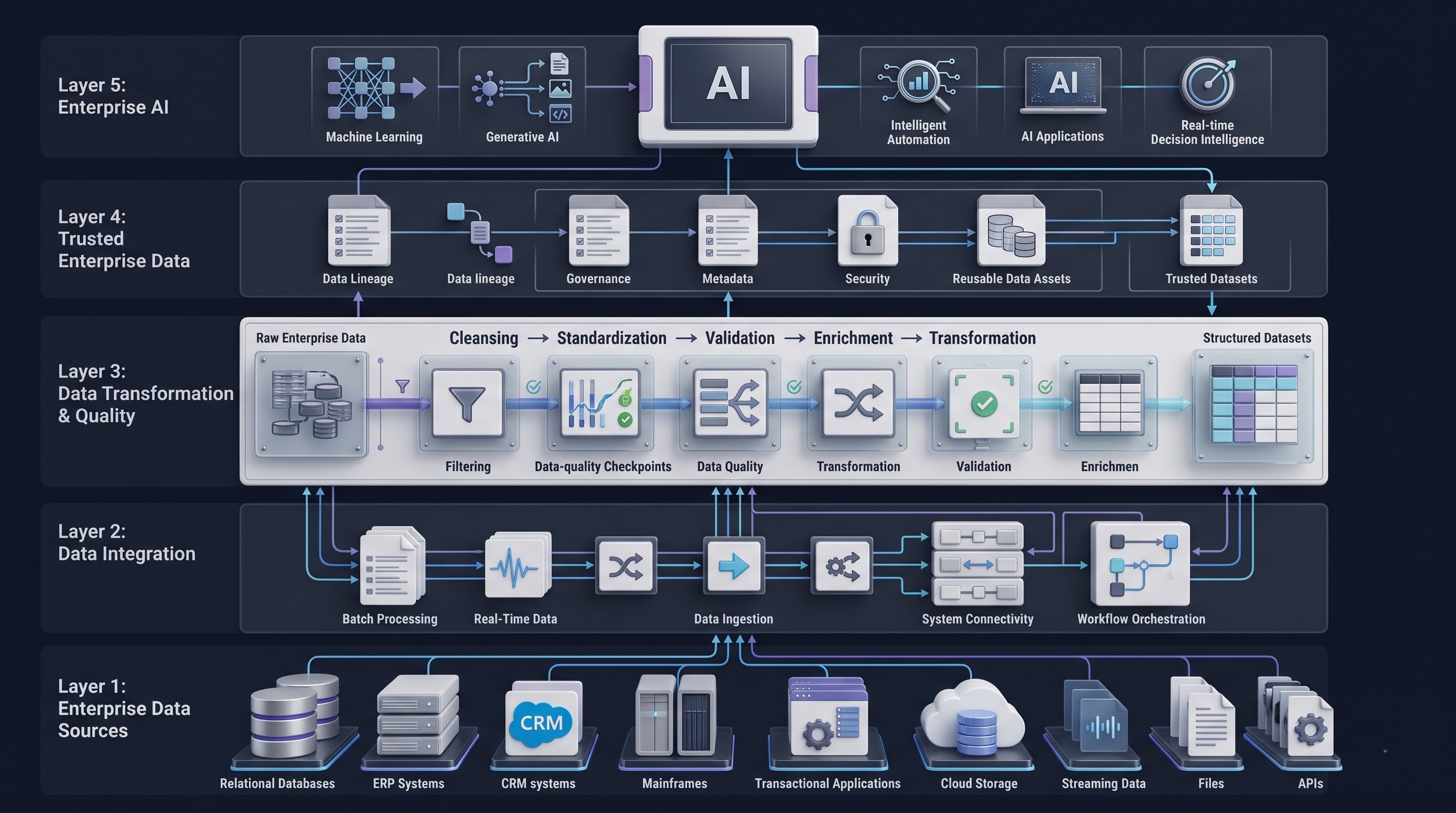
In the world of massive data ecosystems, Ab Initio stands out as a powerful enterprise data processing and integration engine. While many data engineers initially recognize Ab Initio as a legacy ETL (Extract, Transform, Load) suite, its true capabilities extend far beyond basic data movement. When you look under the hood of most Fortune 500 tech stacks, you’ll usually find a messy web of legacy databases, cloud warehouses, and streaming pipelines trying—and often struggling—to talk to each other.
In the middle of all that chaos sits Ab Initio.
If you talk to veteran data engineers, many will still dismiss Ab Initio as a legacy ETL (Extract, Transform, Load) tool something built in a different era just to move batch files from point A to point B. But that perspective completely misses the bigger picture of what the technology has become. Moving data is actually the easy part. The real challenge modern enterprises face is doing it at staggering scale without losing control. Ab Initio hasn’t just survived the shift to modern data architectures; it has evolved into a complete, end-to-end framework built for the highest-stakes environments imaginable.
Instead of just shifting static records overnight, it powers continuous, real-time data streams that feed live operational apps. Rather than leaving teams blind to where their data actually lives, it automates metadata discovery and maintains strict data governance across multi-cloud environments.
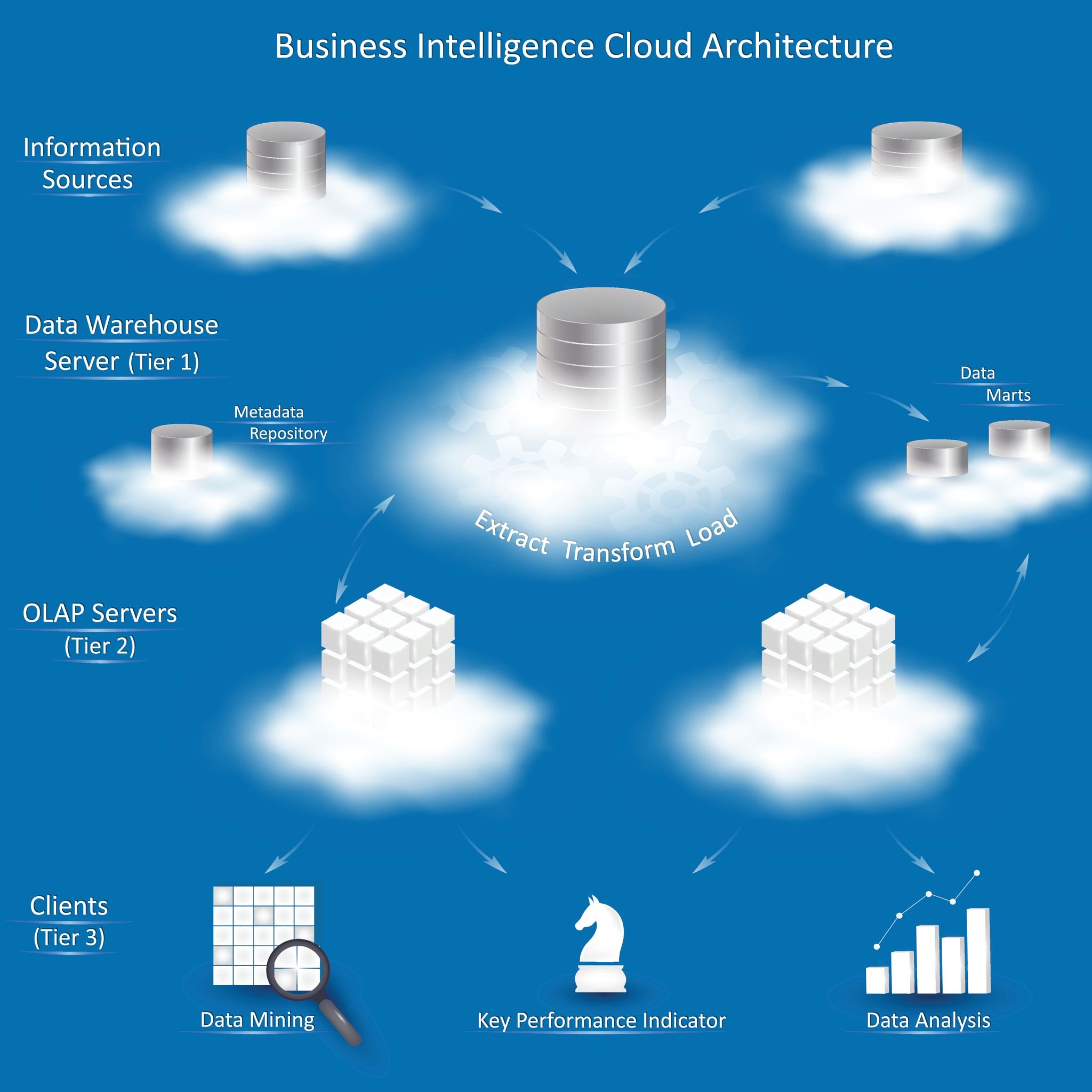
And now, as companies rush to build autonomous agentic AI workflows, they’re discovering a fundamental truth: an AI agent is only as reliable as the data feeding it. Ab Initio acts as that critical foundation—cleaning, validating, and grounding enterprise information so AI models actually produce trustworthy, audit-ready results. It’s less of a simple data pipe and more of a central circulatory system for enterprise intelligence.
What is Ab Initio? (Beyond the Traditional ETL Label)
At its foundation, Ab Initio—a Latin phrase meaning "from the beginning"—is an enterprise-grade data management and orchestration platform designed to handle mission-critical, large-scale processing. Unlike conventional lightweight integration tools that choke when scaling across petabytes of heterogeneous sources, Ab Initio was engineered from day one around massively parallel processing (MPP) and metadata-driven execution.
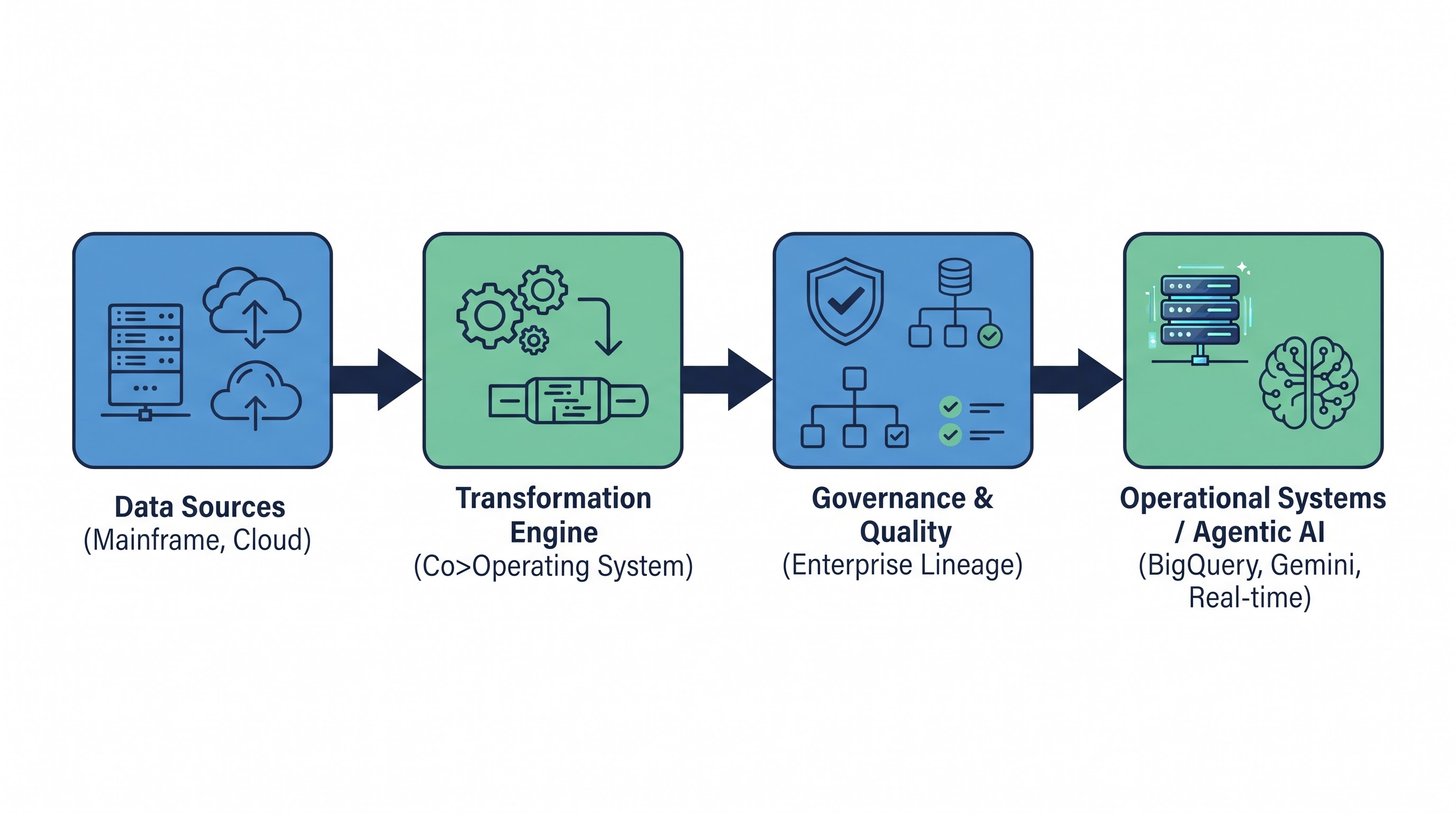
The core platform architecture rests on a few key pillars:
The Co>Operating System (Co>OS): A robust, distributed processing engine that runs natively across mainframes, Unix/Linux servers, and cloud clusters.
Graphical Development Environment (GDE): An intuitive drag-and-drop workspace where data architects build data flows using "graphs" and components rather than writing thousands of lines of manual code.
Enterprise Meta-Environment (EME): A centralized metadata repository that tracks technical, operational, and business metadata, providing complete end-to-end data lineage.
Express>It & Data Quality Environment (DQE): Business-user interfaces that allow non-technical stakeholders to create business rules, validate dataset health, and deploy logic without developer intervention.
To master this complex enterprise architecture, acquiring hands-on ab initio training enables data engineers to design high-throughput graphs, configure parallel processing environments, and manage enterprise metadata effectively.
Why Ab Initio Matters in the Modern Enterprise
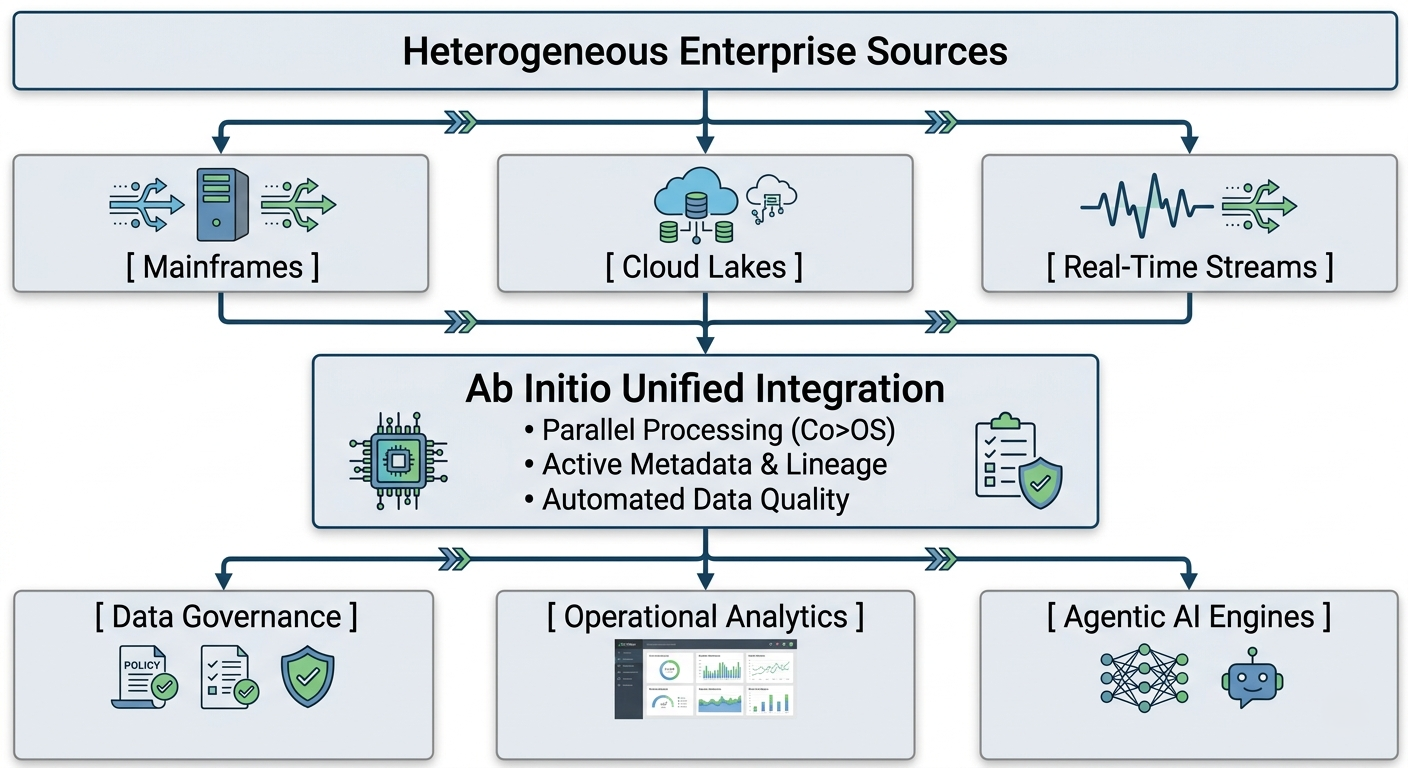
Large organizations rarely operate on a single, clean database. A global financial institution or telecommunications provider typically manages customer records across legacy IBM mainframes, transactional SQL databases, distributed Apache Kafka streams, and modern cloud data warehouses like Google BigQuery or Snowflake.The primary challenge isn't merely storing this data; it lies in processing, transforming, validating, governing, and making it actionable in real time across fragmented environments.
Key Capabilities Driving Enterprise Adoption
Unmatched Scalability: Ab Initio scales linearly across multiple CPUs and server nodes, handling billions of records per hour without performance degradation.
Hybrid and Multi-Cloud Neutrality: It bridges legacy on-premise infrastructure with cloud environments, functioning as a neutral integration hub.
Active Metadata & Governance: Rather than maintaining passive documentation, Ab Initio uses active metadata to drive runtime execution, pipeline generation, and automated compliance checks.
Professionals looking to upskill often choose structured ab initio online training modules,
which offer flexible access to real-time simulation labs and expert-led architectural deep dives.
The New Paradigm: Ab Initio in the Era of Agentic AI
The most significant modern shift in data engineering is the rise of agentic AI autonomous AI agents designed to execute complex business workflows, query corporate knowledge, and make automated decisions. AI models are only as effective as the underlying data fed into them. If an AI agent receives unverified, un-governed, or fragmented data, it produces hallucinated or non-compliant results.
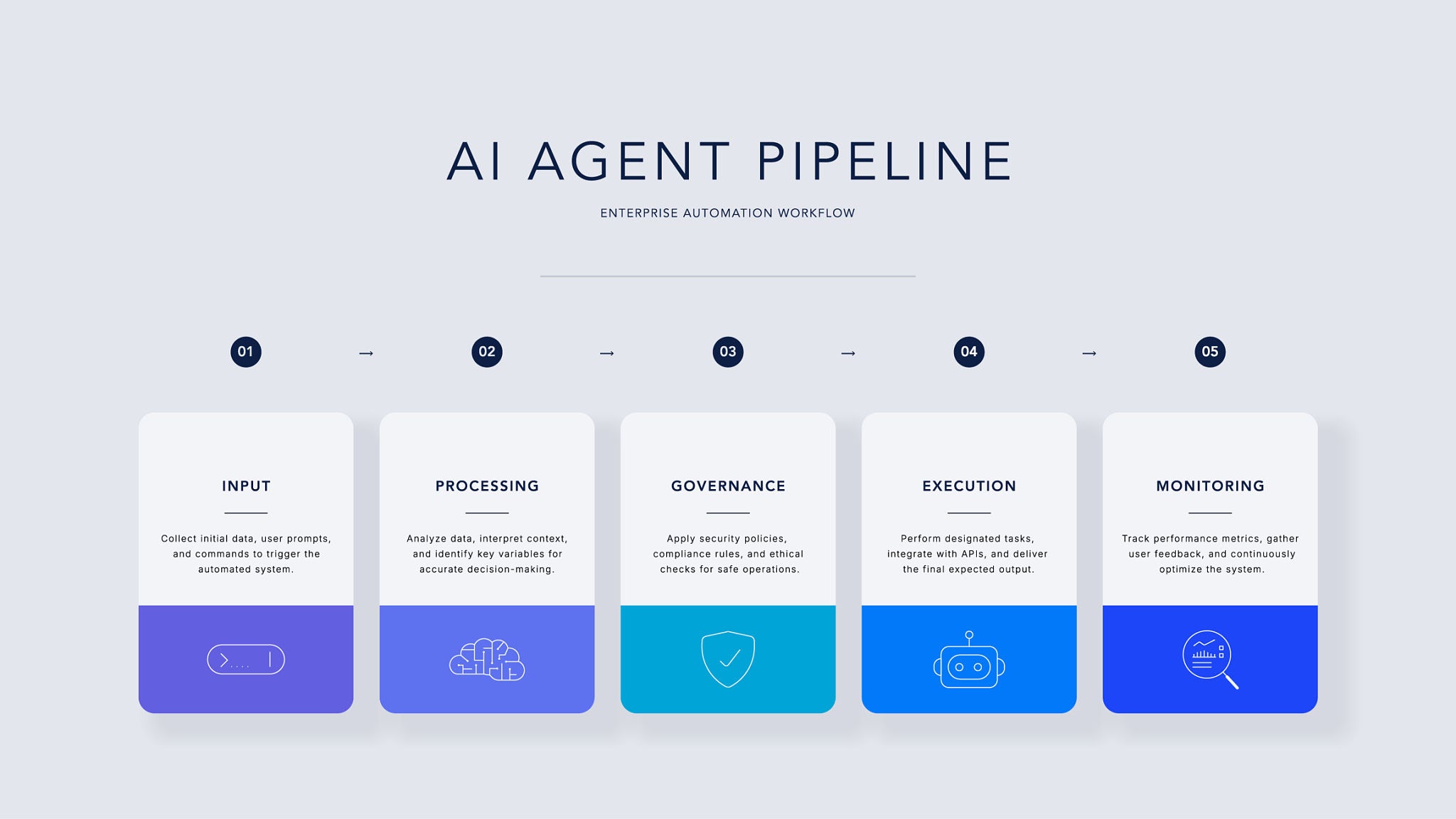
In early 2026, Google Cloud and Ab Initio highlighted a strategic collaboration aimed at solving the data bottleneck for enterprise AI agents. Ab Initio connects multi-cloud datasets directly to platforms like Google BigQuery, Dataplex, and Gemini models.
Why AI Infrastructure Requires Ab Initio
Semantic Discovery: Ab Initio scans unstructured and structured sources to map business concepts (e.g., matching "Cust_Addr" and "Home_Address" to a single semantic definition).
Contextual Grounding: AI agents can query data using natural business language because Ab Initio provides the required context, lineage, and data definitions.
Conceptual Governance: Instead of applying rules manually to thousands of physical tables, Ab Initio applies governance policies at the business-concept level. If a policy dictates that customer addresses must be masked, Ab Initio enforces that rule dynamically across all physical stores.
Traditional ETL vs. The Broader Ab Initio Architecture
When evaluating why major financial, telecommunications, and healthcare enterprises choose Ab Initio over basic open-source software or native cloud ETL services, the decision comes down to fundamental architectural capabilities. Lightweight frameworks work well for localized data movement, but
Ab Initio acts as an enterprise-wide operating and orchestration fabric.
Core Purpose: While traditional ETL tools focus strictly on point-to-point data movement, Ab Initio operates as an end-to-end platform for full data engineering, orchestration, and enterprise governance.
Processing Paradigm: Traditional platforms rely on simple batch schedules and triggers, whereas Ab Initio delivers high-speed batch, micro-batch, and real-time continuous streaming capabilities.
Business Logic Handling: Conventional tools depend on hard-coded transformations, while Ab Initio utilizes a metadata-driven business logic engine with automated rule generation.
Environment Support: Traditional ETL is limited to a single cloud or database focus, while Ab Initio connects mainframes, legacy databases, hybrid setups, and multi-cloud hubs.
User Base: Legacy platforms cater strictly to technical ETL developers, whereas Ab Initio accommodates a collaborative user base including data engineers, analysts, compliance teams, and business stewards.
Metadata & Lineage: Traditional tools offer basic technical logging, compared to Ab Initio's active metadata execution, impact analysis, and end-to-end data lineage.
AI Integration: Conventional systems lack AI capabilities or require manual API connections, while Ab Initio features native integration with agentic AI platforms like Google Gemini.
When evaluating a learning path, reviewing the detailed ab initio course content helps ensure coverage of essential topics such as Co>Operating System configurations, GDE pipeline development, continuous flows, and metadata hub integration.
Enterprise Metadata, Quality, and Governance
A key differentiator of Ab Initio is its focus on metadata-driven design. In standard frameworks, metadata is simply passive audit log history. In Ab Initio, metadata actively drives operational behavior.
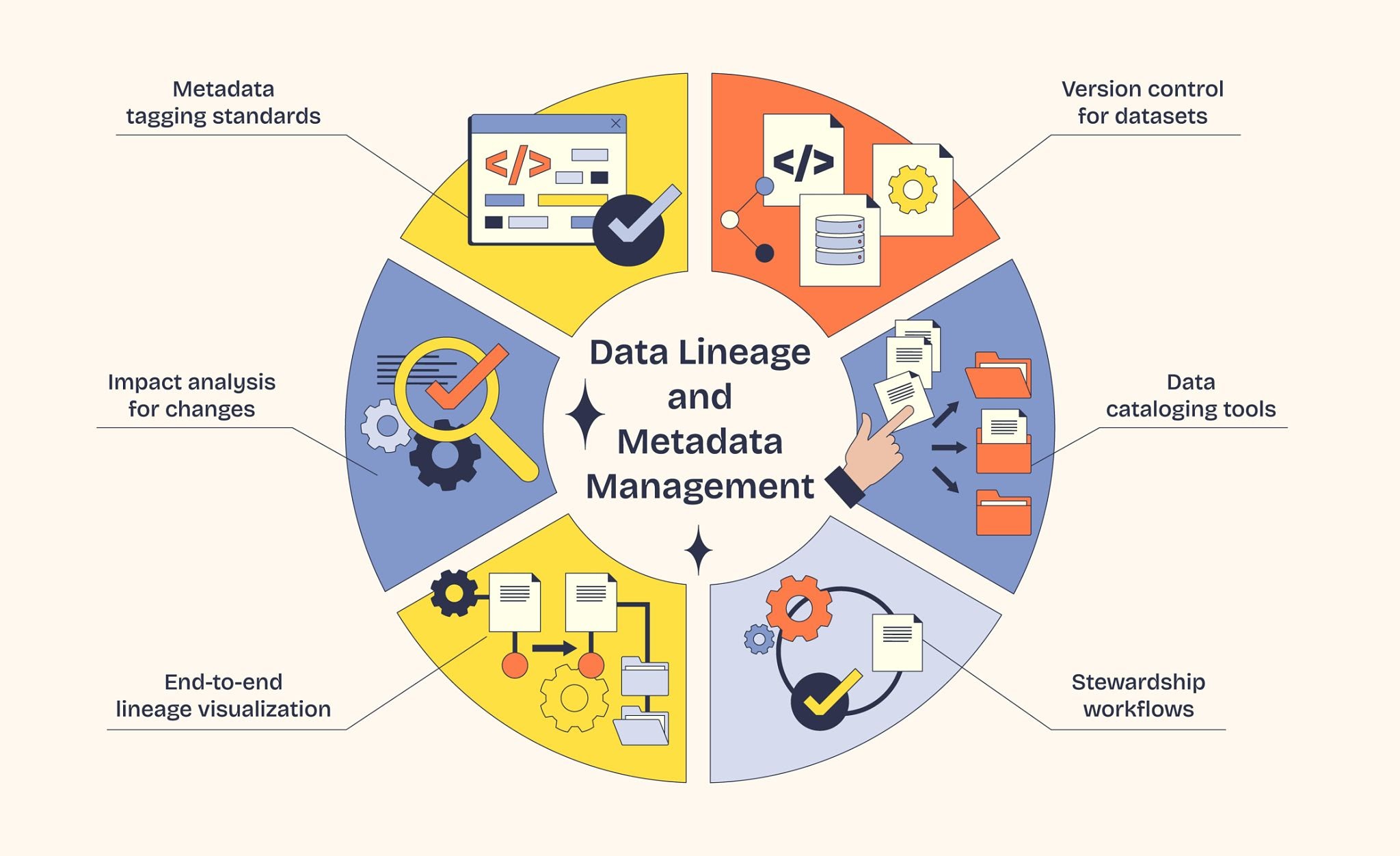
Core Components of the Metadata Engine
Automated Data Quality (DQ): Uses machine learning to profile datasets, detect anomalies, and automatically generate data quality rules.
Impact Analysis: Allows engineers to simulate changes. If a database column is modified, Ab Initio pinpoints every downstream report, graph, and AI agent affected.
End-to-End Lineage: Tracks a data element from its exact point of origin on a mainframe tape through every transformation step to the final BI report or model output.
Industry Market Value and Use Cases
Because of its licensing model and infrastructure requirements, Ab Initio is tailored for large-scale enterprise data operations rather than small startups.
High-Impact Industry Applications
Banking & Financial Services: Managing core banking transactions, fraud detection streams, credit scoring, and strict regulatory reporting (e.g., BCBS 239 compliance).
Telecommunications: Processing billions of Call Detail Records (CDRs) per day, monitoring network quality, and powering real-time billing engines.
Healthcare & Life Sciences: Unifying clinical trial data, electronic health records (EHR), and patient data streams while ensuring HIPAA compliance.
Retail & Supply Chain: Managing inventory tracking across thousands of retail outlets, predictive logistics, and real-time omnichannel customer profiles.
Enrolling in a certified ab initio course online provides practical insights into orchestrating complex batch and streaming workflows across hybrid multi-cloud systems.
A Practical Real-World Analogy: The Banking System Challenge
To understand the core problem Ab Initio solves, consider a modern retail bank.
The Problem:
Customer profile data resides on a 25-year-old IBM Mainframe.
Daily debit card transactions stream through an operational SQL system.
Account balances are managed within an on-premise core banking portal.
Marketing analytics and modern mobile app recommendations run in Google Cloud.
When the bank decides to launch an autonomous AI chatbot to provide real-time financial advice to customers, the chatbot cannot simply connect to one cloud database. It requires unified, accurate, and secure access to data across all four systems simultaneously.
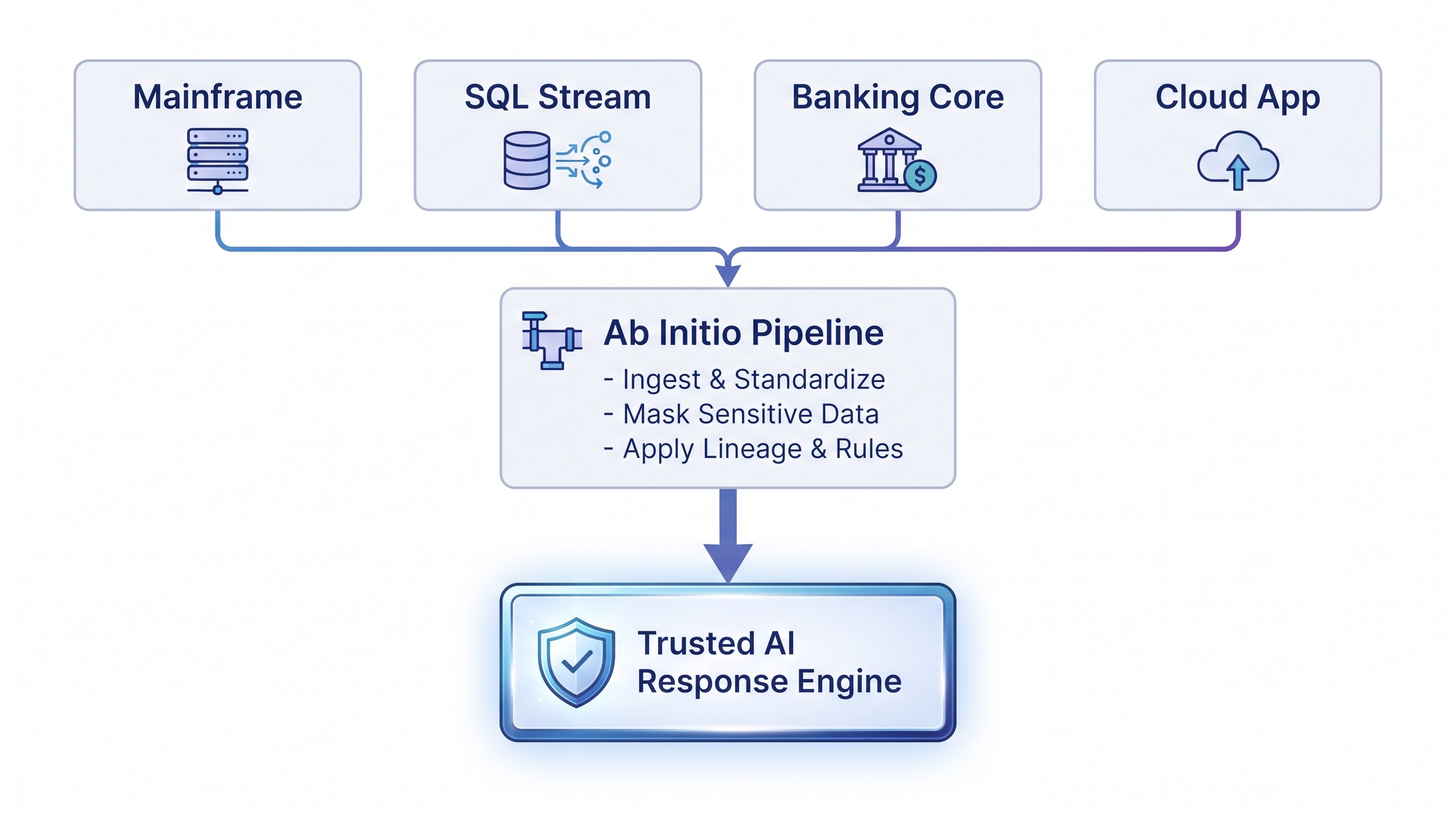
Ab Initio's Role: It acts as the backbone layer. It reads customer profiles from the mainframe, merges them with real-time transaction streams, cleans and masks sensitive account numbers, verifies data freshness, and delivers a unified, fully governed data feed directly to the cloud platform.
Summary of Strategic Advantages
Speed to Market : Metadata-driven automation drastically cuts down pipeline construction and testing times.
In standard data engineering projects, teams spend months writing boilerplate code, configuring custom error handling, and running manual pipeline tests. Ab Initio flips this script by generating pipelines dynamically from metadata. Because developers configure business logic using high-level visual components and reusable rule sets rather than writing raw scripts from scratch, launching a complex new data pipeline takes a fraction of the time. Testing and validation are built directly into the framework, helping companies ship features and launch products far faster.
Future-Proofing Infrastructure: Organizations can swap out backend database engines or migrate to new cloud providers without rewriting business logic.
Technology stacks change constantly. A database that makes sense today might be replaced by a cloud data warehouse tomorrow. With traditional integration tools, migrating away from legacy systems usually requires rewriting thousands of lines of transformation logic. Ab Initio decouples the underlying business rules from the execution environment. You can lift a data flow originally built for an on-premise relational database, change the target connector to a cloud platform, and run it without tearing apart your core business rules. It protects your technology investment against future platform shifts.
Determinism & Trust: Every transformation step produces auditable logs, guaranteeing full data governance.
In heavily regulated industries like banking, healthcare, and telecommunications, "close enough" isn't acceptable. You need to know the exact path every single byte of data took from source to destination. Ab Initio tracks every record, every calculation, and every schema change with surgical precision. If a regulator asks why a specific metric changed on a quarterly report, or if a risk team needs to trace an anomaly back to a legacy mainframe tape, the system provides full, auditable data lineage automatically. There is zero guessing involved.
AI Readiness:Connects distributed enterprise data sources directly to modern AI agents.
Most enterprise AI initiatives don't fail because the language models are weak; they fail because the underlying enterprise data is messy, isolated, and untrusted. Autonomous AI agents need clean, real-time context to make accurate decisions without hallucinating. Ab Initio bridges this gap by gathering fragmented data from cloud lakes, transactional databases, and legacy mainframes, cleaning it on the fly, applying strict security policies, and delivering fully governed feeds straight into modern AI engines. It turns messy raw data into a reliable, AI-ready intelligence engine.
The Ab Initio Career Landscape & Enterprise Skills
With enterprise data ecosystems becoming more complex, the demand for professionals who truly understand high-throughput data architecture remains consistently strong. Because Ab Initio is deployed primarily within Fortune 500 banks, global telecommunication providers, healthcare giants, and government bodies, mastering this ecosystem opens doors to specialized, high-impact roles. Unlike generalist data roles that focus solely on writing basic SQL queries or building simple Python scripts, an Ab Initio specialist operates closer to an enterprise systems architect.
Key Skill Sets That Set Professionals Apart
Graph & Component Mastery: Knowing how to design modular, highly efficient graphs in the Graphical Development Environment (GDE) while minimizing resource bottlenecks.
Parallel Processing Optimization: Understanding how to configure data, component, and pipeline parallelism in the Co>Operating System to process multi-terabyte datasets in minutes rather than hours.
Metadata & Lineage Architecture: Leveraging the Enterprise Meta-Environment (EME) to map end-to-end data flows, construct active data dictionaries, and automate governance tracking.
Hybrid Cloud Integration: Bridging legacy mainframe structures (like EBCDIC files and COBOL copybooks) with modern cloud platforms like Google Big Query, AWS Redshift, and Snowflake.
For developers and architects looking to transition into senior enterprise roles, moving beyond basic concepts and gaining deep hands-on expertise through structured, real-world scenario practice is one of the most effective ways to build a future-proof career in large-scale data engineering.
The Road Ahead: Choosing the Right Engine for Enterprise Scale
As data volumes continue to surge and businesses pivot toward real-time decision-making, the distinction between simple data pipelines and true enterprise integration platforms becomes crystal clear. Lightweight ETL tools and open-source scripts certainly have their place in smaller setups, but when millions of dollars and critical operations depend on zero-downtime data delivery, enterprise-grade data platforms prove their worth.
Ab Initio has quietly sustained its place at the top of large-scale computing by focusing on what matters most to large organizations: scalability, deterministic accuracy, active metadata control, and complete platform flexibility. Instead of forcing companies to rebuild their entire architecture every time a new technology wave emerges, it acts as a permanent, stabilizing layer that adapts alongside evolving tech stacks. Whether you are modernizing legacy mainframes, unifying multi-cloud environments, or preparing clean corporate data feeds for autonomous agentic AI, having a robust data foundation remains non-negotiable.
Ultimately, tools will continue to evolve, cloud vendors will come and go, and AI models will get faster—but the fundamental need to transform raw, fragmented data into governed, reliable business intelligence from the beginning isn't going anywhere.