
Modern ServiceNow Admin Guide: Master AI Agents, Automation & Workflows
Last updated on Sep 5, 2026
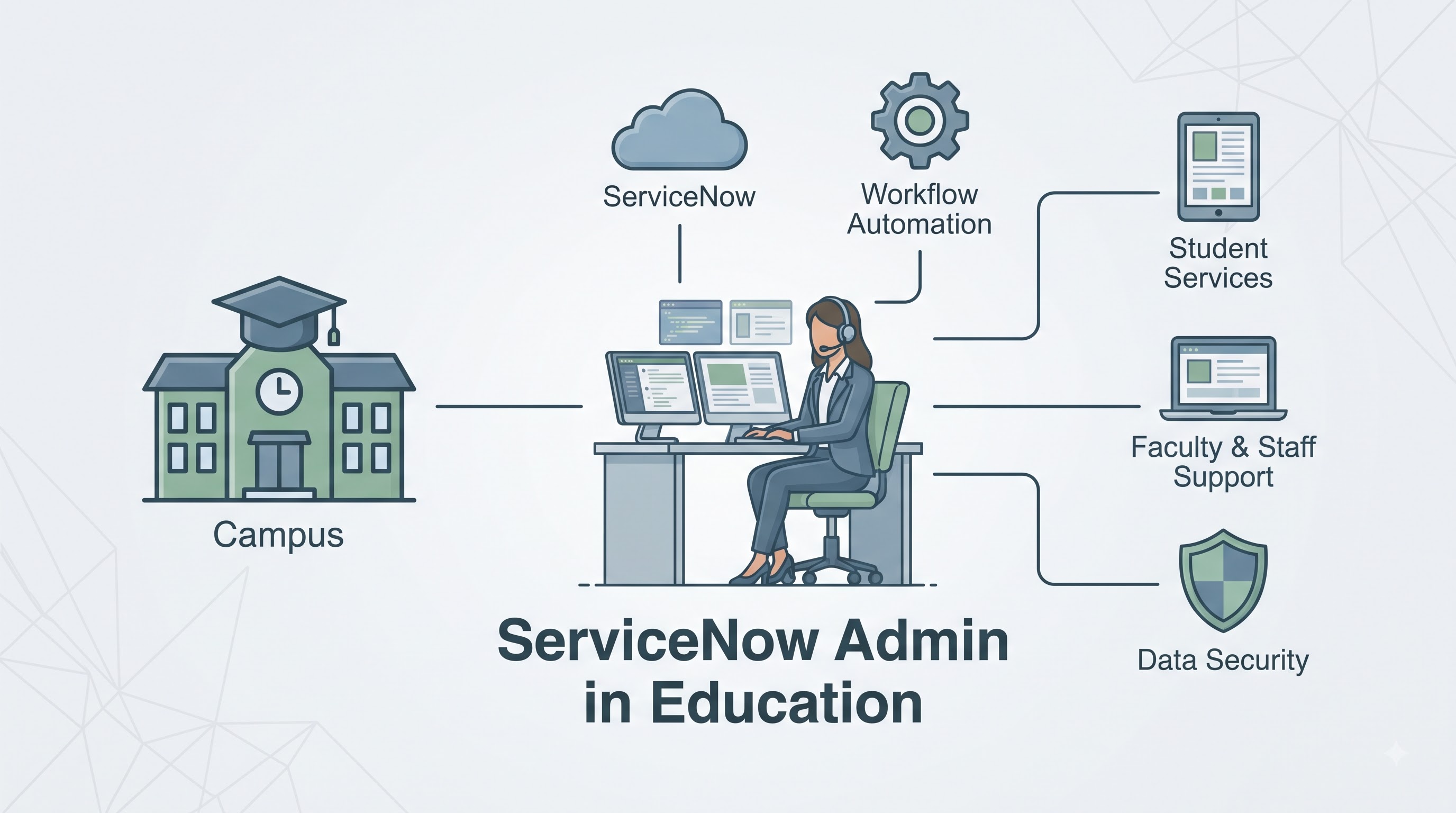
The enterprise IT ecosystem is undergoing a seismic transformation. The days when a system administrator spent their entire day resetting user passwords, manually assigning incident tickets, maintaining brittle JavaScript business rules, or building basic forms are officially over. Enterprise platform management now requires mastering predictive operational intelligence, generative AI orchestration, agentic AI governance, and low-code flow automation.
As organizations scale their digital infrastructure, demand for high-caliber platform specialists continues to climb. Completing comprehensive platform training provides the foundational mechanics required to configure core IT service management (ITSM) pipelines, manage complex Access Control Lists (ACLs), and maintain system health across multi-instance environments. Modern administration spans cloud visibility through ITOM, AI-driven Virtual Agents, auto-remediating CMDB architectures, and cross-enterprise Workflow Studio integrations.
The Generative AI and Agentic Paradigm Shift
Artificial intelligence is no longer an optional add-on or a decorative plugin; it is embedded directly into the platform's core architecture. Modern releases embed native generative capabilities deep within the Now Platform through features like Now Assist and autonomous AI Agents. These intelligence tools transform how platform administrators configure support infrastructure, automate developer tasks, and deliver end-user experiences.
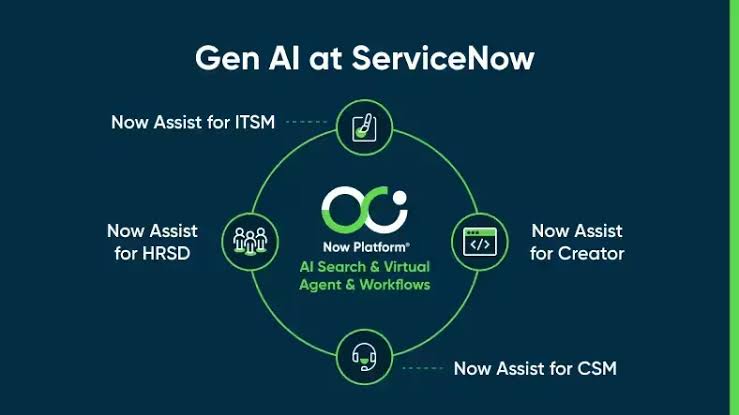
Generative AI speeds up deployment cycles and slashes technical debt. Features like automated incident summarization, intelligent search synthesis, NLQ (Natural Language Query) database interactions, and context-aware code generation transform administrative efficiency. Completing comprehensive servicenow admin training helps administrators transition from routine maintenance to managing generative AI capabilities across production instances.
Key focus areas for AI-ready administrators include:
Prompt Engineering and Skill Tuning: Fine-tuning native prompt templates inside the Now Assist Admin Console to ensure generative responses align with organizational tone and regulatory standards.
Contextual Knowledge Integration: Linking AI Search engines directly with verified internal knowledge repositories to eliminate hallucinated answers and streamline self-service ticket deflection.
Field-Level Data Privacy Boundaries: Configuring strict Access Control Lists (ACLs) and data masking rules so underlying language models only process authorized enterprise data.
Autonomous Agent Governance: Utilizing tools like the AI Control Tower to monitor, audit, and direct autonomous AI agents as they execute operational tasks across departments.
Moving Beyond Legacy Scripts with Low-Code Flow Orchestration
Historically, custom business logic relied heavily on complex server-side JavaScript, custom business rules, script includes, and fragile client scripts. While JavaScript knowledge remains a core asset, modern administration prioritizes modular, maintainable flow design using Flow Designer, Decision Tables, and Workflow Studio.
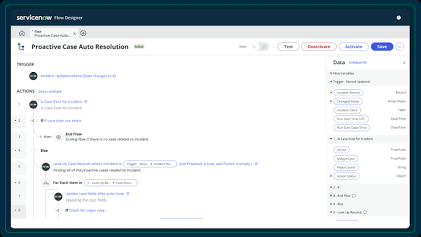
Flow-based orchestration accelerates deployment while ensuring long-term maintainability. Administrators can assemble sub-flows, trigger conditional approvals, handle multi-branch error logic, and connect external enterprise applications using pre-built IntegrationHub Spokes. Enrolling in dedicated servicenow administrator training equips admins with the skills to refactor legacy background scripts into standardized, upgrade-safe flows that survive platform version transitions without breaking
Detailed Comparative Breakdown of Operational Eras
Legacy Administration: This era relies heavily on custom JavaScript scripts, client-side UI policies, complex business rules, and server-side Glide Record database queries. Business logic is often fragmented across isolated system tables, creating massive technical debt and upgrade friction. Consequently, ongoing system maintenance demands high operational overhead. Database schema changes or platform upgrades frequently break custom script logic, requiring extensive manual testing and remediation during upgrade cycles.
Modern Administration: This approach prioritizes low-code orchestration using tools like Flow Designer, Decision Tables, and Workflow Studio. Administrators configure application logic through modular visual drag-and-drop interfaces and pre-built IntegrationHub Spokes rather than manual scripting. Maintenance overhead is significantly reduced because workflows built with native platform tools remain upgrade-safe, fully audited, and standardized across multi-instance deployment pipelines.
Next-Gen Administration: This operational model leverages autonomous Agentic AI, natural language prompt tuning, dynamic API integrations, and orchestration environments like AI Agent Studio. Administrators shift focus from mapping manual logic steps to configuring AI guardrails, intent models, safety frameworks, and agent capability toolsets. Maintenance overhead is minimal because AI agents dynamically adapt to process variations, schema updates, and user contexts, creating self-healing, intelligent enterprise workflows.
Workspace Modernization and Configurable Admin Dashboards
User interface design inside enterprise platforms has undergone a massive upgrade. The classic backend navigation menu is giving way to tailored, role-based Configurable Workspaces. Workspace portals like Service Operations Workspace combine incident management, change requests, predictive metrics, and real-time system health alerts into unified single-pane-of-glass dashboards.
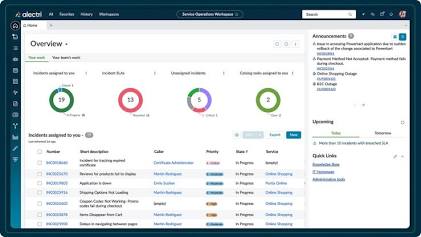
Building these interfaces requires a strong grasp of UI Builder, component data binding, dynamic client scripts, and visibility rules. Modern platform training programs focus heavily on these layout design skills. Administrators learn to construct intuitive workspaces that reduce click fatigue, minimize mean-time-to-resolution (MTTR), and boost analyst productivity across service desk teams.
Dynamic Component Visibility: Tailoring workspace layouts dynamically based on logged-in user roles, group memberships, or case urgency scores.
Real-Time Data Binding: Connecting performance metrics directly to visual dashboards for instant operational health checks.
Multi-Tab Record Workflows: Enabling support agents to work through related tasks, CI relationships, and context logs simultaneously without losing operational context.
CMDB Architecture, CSDM 4.0, and Hybrid Cloud Governance
The Configuration Management Database (CMDB) serves as the structural heartbeat of all platform operations. Without an accurate, well-maintained CMDB, automated incident routing, risk-aware change management, security operations, and software license tracking fail. Modern enterprise architectures—spanning hybrid multi-cloud environments, serverless components, containerized workloads, and remote devices—make maintaining data integrity a critical administrative priority.
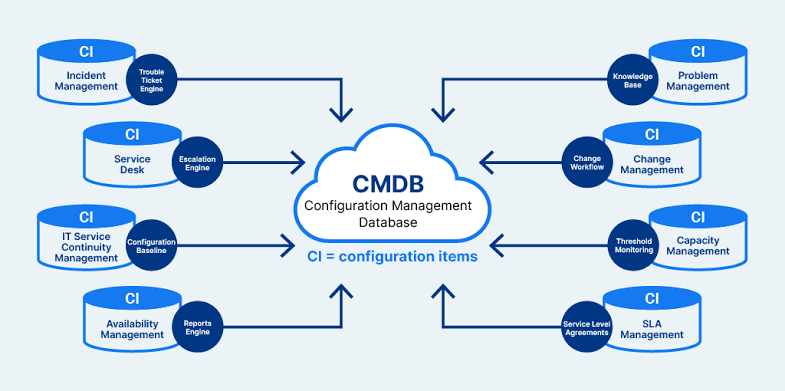
Administrators ensure CMDB accuracy using automated Discovery engines, Service Mapping, and Identification and Reconciliation Framework (IRE) rules. Formal education through a structured service now admin course equips platform professionals with the skills needed to create strict normalization rules, eliminate duplicate configuration items (CIs), and maintain clean, audit-ready asset databases.
Instance Health, Security, and Upgrade Governance
Managing an enterprise instance requires maintaining system security and platform performance. As enterprise environments expand, instance performance can suffer without strict administrative maintenance routines.
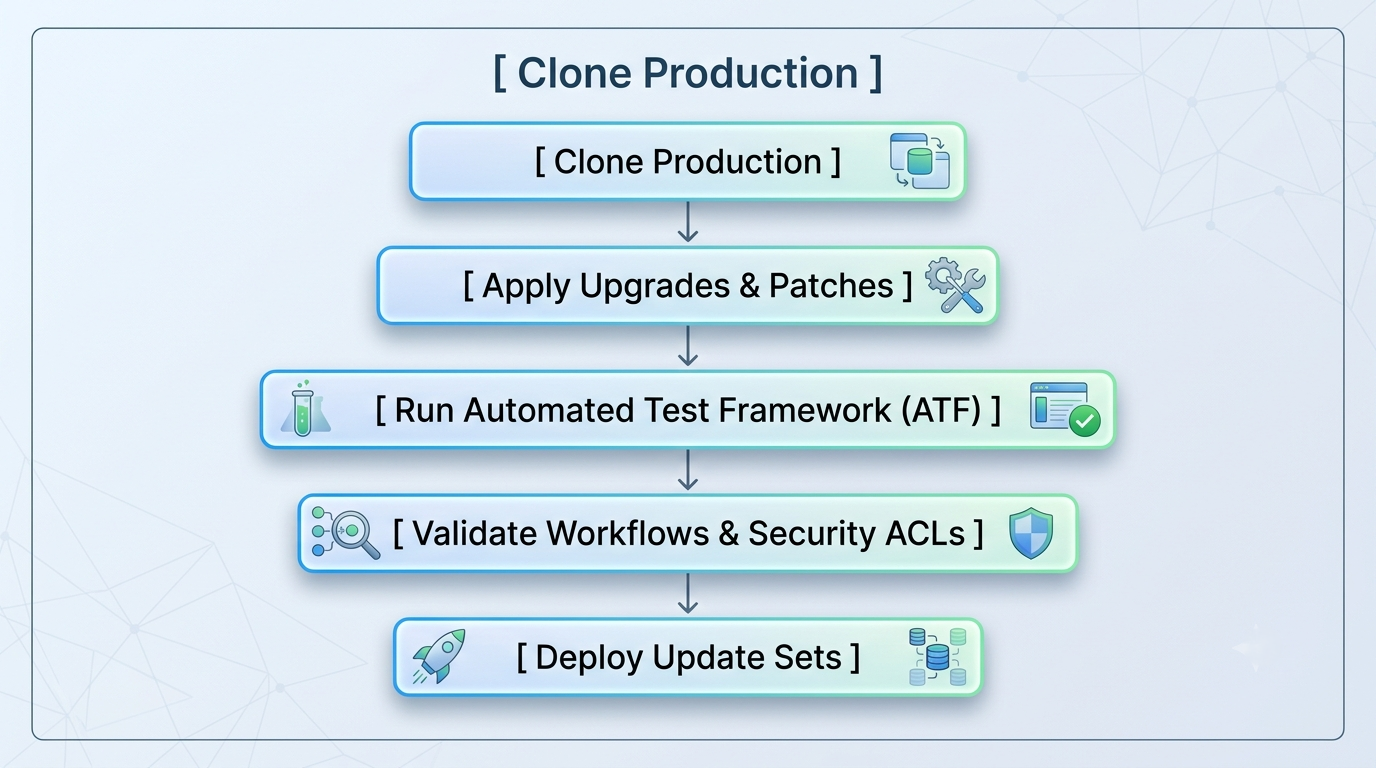
Instance Cloning and Release Management
To maintain development integrity, administrators coordinate regular cloning cycles from production to non-production instances. System administrators manage data-preservation rules and clone profiles to ensure critical development settings, mid-server configurations, and active integrations are preserved during clones.
Automated Test Framework (ATF)
Upgrading platform releases twice a year used to require weeks of tedious manual regression testing. Modern platform administrators use the Automated Test Framework (ATF) to build automated test suites. ATF runs validation tests against service catalogs, form layouts, custom flows, and REST endpoints—slashing upgrade timelines from months to days.
Enterprise Integration Strategies: REST, GraphQL, and IntegrationHub
No platform functions in isolation. Modern administrators bridge platform services with legacy databases, external cloud providers, monitoring dashboards, and third-party enterprise tools.
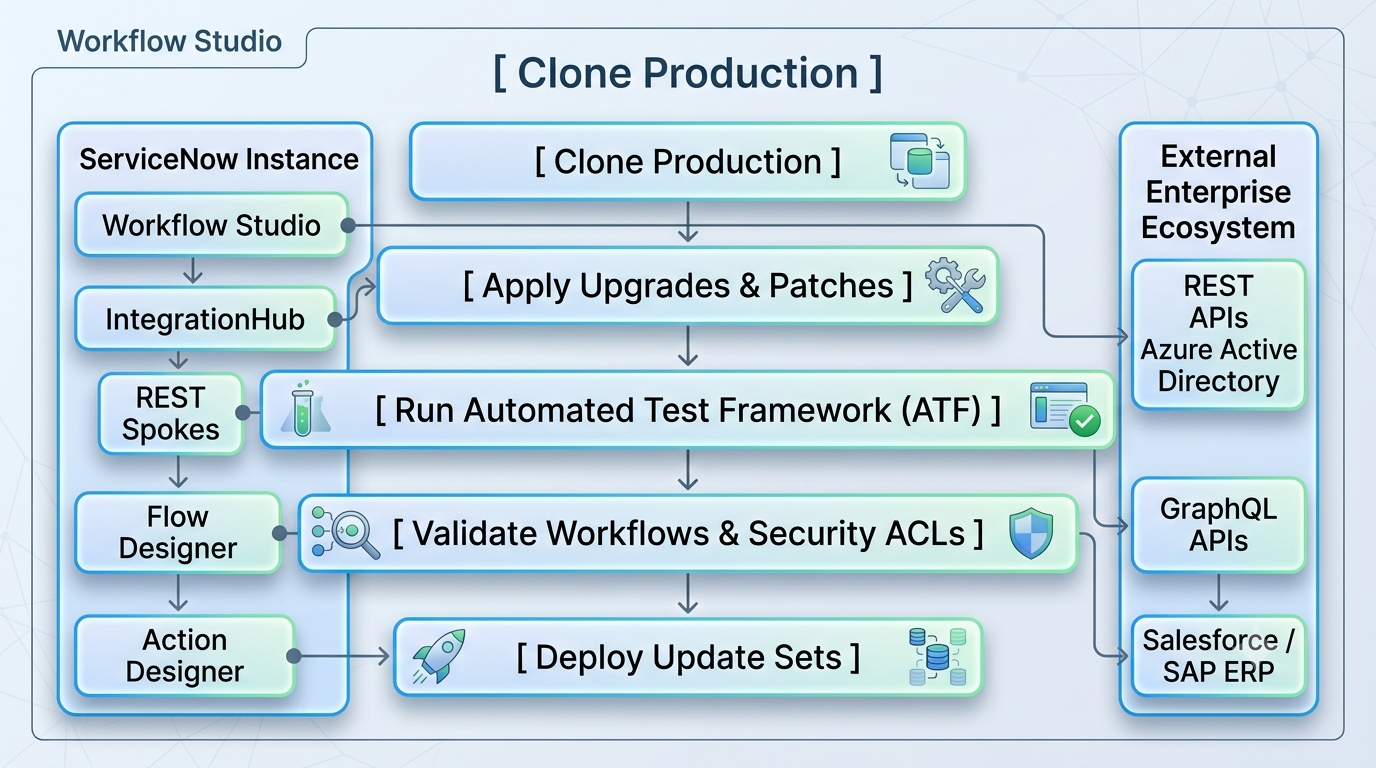
Integration Hub Spokes vs. Custom Web Services: While building custom Scripted REST APIs provides flexibility, it introduces maintenance costs over time. Administrators prefer out-of-the-box or custom IntegrationHub Spokes. These spokes offer pre-configured actions for major enterprise software solutions, enabling secure bi-directional integrations within hours.
Inbound and Outbound Security Protocols: Connecting external systems requires secure communication protocols. System administrators configure OAuth 2.0 authentication, Mutual TLS (mTLS), dynamic API keys, and CORS (Cross-Origin Resource Sharing) policies to protect data exchanges.
Automated Test Framework (ATF): Upgrading platform releases twice a year used to require weeks of tedious manual regression testing. Modern platform administrators use the Automated Test Framework (ATF) to build automated test suites. ATF runs validation tests against service catalogs, form layouts, custom flows, and REST endpoints—slashing upgrade timelines from months to days.
Performance Tuning and High-Scale Instance Optimization
As enterprise usage grows to millions of transaction records, database responsiveness becomes critical. Platform administrators use diagnostic tools to optimize instance performance and maintain fast response times.
Transaction Log Analysis and Slow Queries
System admins monitor slow queries, slow scripts, and slow transaction logs using native diagnostic tools. Identifying inefficient database queries—such as missing index references or unbounded GlideRecord loops—prevents system slowdowns during peak usage hours.
Next-Gen Database Performance Architecture
Platform database releases introduce performance engines like RaptorDB, designed to handle massive data volume transactions at high speeds. High-scale database architecture allows query processing, analytical reporting, and flow execution to run smoothly without hitting performance bottlenecks.
Strategic Career Roadmap: From System Admin to Enterprise Architect
The career trajectory for platform specialists has expanded significantly. A certified system administrator is no longer limited to basic support tickets. Platform expertise serves as a foundation for advancement into roles like Application Developer, Technical Consultant, Solution Architect, or Enterprise Platform Architect.
Master Core Fundamentals: Complete your Certified System Administrator (CSA) certification by demonstrating proficiency in system navigation, access controls, data schema management, and service catalog design.
Expand into High-Growth Modules: Deepen your technical knowledge across specialized domain areas like IT Operations Management (ITOM), Security Operations (SecOps), Hardware/Software Asset Management (HAM/SAM), or Strategic Portfolio Management (SPM).
Master Low-Code Development: Bridge the gap between system administration and custom software development by mastering REST integrations, custom spoke creation, and advanced UI Builder page layouts.
Drive Platform Governance: Move into strategic technical leadership by establishing enterprise-wide instance upgrade strategies, data governance frameworks, clone cadence pipelines, and automated security monitoring systems.
By mastering AI agent orchestration, low-code flow automation, CMDB health standards, and high-performance database architectures, platform administrators are uniquely positioned to streamline complex enterprise operations and drive modern digital transformation.
Conclusion: The Future of ServiceNow Administration
The role of the ServiceNow Administrator has evolved from basic system configuration to enterprise AI orchestration and automated workflow governance. Navigating modern platform capabilities—from low-code Flow Designer logic to autonomous AI agents—requires continuous hands-on skill development. Pursuing specialized certifications, engaging in targeted hands-on learning, and applying modern platform best practices equips administrators to reduce technical debt, secure enterprise instances, and lead digital transformation efforts across their organizations.