
The Complete Guide to the Workday HCM Implementation
Last updated on Nov 3, 2026
This means that the adoption of a Human Capital Management (HCM) application in an enterprise could be viewed as one of the most revolutionary things that an enterprise would do. Whether the enterprise decides to adopt on-premise application, cloud-based fragmented application, or Workday cloud native application, it should do this properly. First of all, given that Workday HCM Application has the same object-data model for its HR core, payroll, talent management, and benefits, Workday HCM implementation process is not similar to any other software implementation process. What the organization needs to do is to come up with a better people operation process following industry best practices rather than adopting its old process to Workday.
In order to implement Workday HCM application, it is important to understand the lifecycle of workday implementation. Only by doing this properly would the organization achieve its goal.
Foundation Formation and Discovery
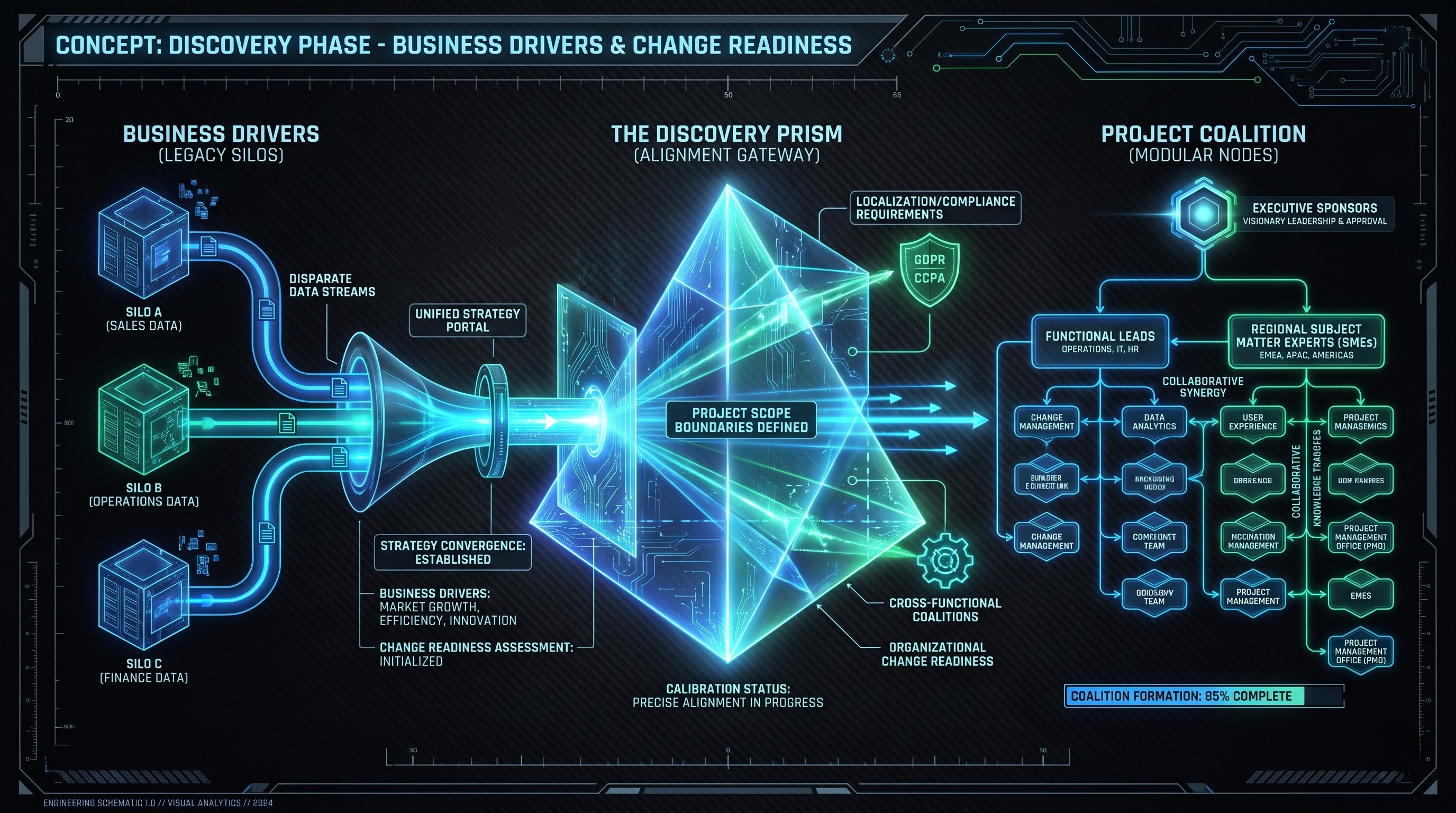
A well-planned and executed implementation of Workday can only be achieved when there is a well-formed foundation which involves creation of business drivers, executive sponsorship, and cross-functional teams. In order to make sure that scope, boundaries and the implementation plan of the project are well defined and employees' readiness towards the project is well established, businesses have to go through a process of discovery.
Architecture and Process Reengineering
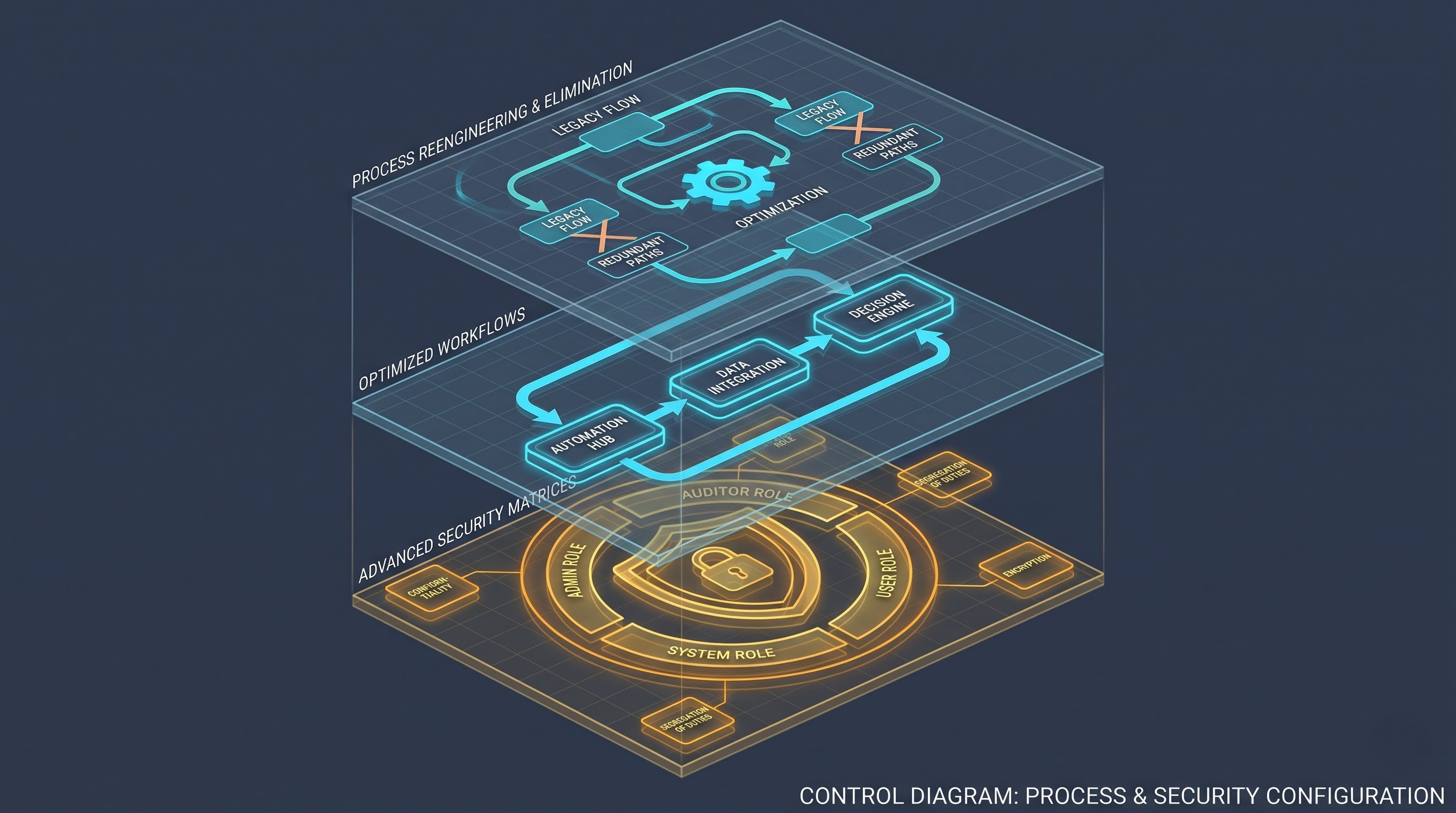
Immediately after defining the scope of the work, the next phase is designing. It is crucial for businesses not to try to implement their legacy processes in Workday. This is because a process map will be used to discover any redundancies in order to incorporate the best practices of Workday. On the other hand, a security model will be designed to ensure that employee data is well protected.
Configuration, Prototyping and Integration
After the approval of the design principles, the next step will include several build stages whereby configuration will be undertaken in different special environments referred to as tenants. Configuration of the organization, compensation grades and business processes will be undertaken in different build stages. On the other hand, different systems will be integrated by engineers through integration technologies that are used in developing secure data pipelines between Workday and third party systems such as tax agencies and benefit providers. Data cleansing makes sure that all the legacy data complies with the Workday validation rules before migration.
Testing, Validations and Deployment
Testing will play an important role in acting as the security measure in the life cycle of implementation. This stage will be characterized by several stages of testing including unit testing, integration testing, end-to-end testing and User Acceptance Testing (UAT). Testing will be done to test the security, business logic and user interface. Where the implementation of the system is for payroll, there will be parallel processing to ensure that gross to net calculations are correct. The deployment stage will follow the testing stage through the minute by minute cutover process.
Post Implementation Support and Continuous Innovation
The go-live stage is just the first stage towards maturity and not an end-stage. The immediate hyper-care support is important in dealing with any problems that users may encounter and any configuration problems. Over the long-term, the feature releases of Workday every six months are used using a continuous innovation model. There will always be the need for having a center of excellence within the company in order to govern security, assessing new features and evolving the platform continuously.
As it is important to ensure that the internal team is trained to use the platform efficiently, most people prefer to join a workday hcm training for the platform in their working hours.
Introduction and Strategic Foundation
Before any configurations or architectures, it is highly critical that a solid strategic foundation is established by the management team. The Workday implementation is a business transformation strategy that will impact every employee, manager and human resources professional in the firm.
Business Drivers and Technology Alignment
Workday implementations are undertaken by organizations because of different drivers such as eliminating silo information, expanding globally, modernizing self-service experiences of employees or complying with difficult labor laws in jurisdictions. This is an early stage where the business drivers of all stakeholders should be identified and success criteria established.
Creation of the Project Coalition
In this case, the key is having the proper internal coalition and collaboration with external partners who have experience in implementing this kind of projects. The project team is comprised of executive sponsors who provide strategic direction and financial support, project manager who manages work streams, functional leads (such as heads of HR, Payroll, Benefits, Finance), and technical leads for integration and data migration initiatives. Moreover, it is important to involve subject matter experts from different business units in order to understand more regional policies.
Vision and Executive Sponsorship
Implementation of the enterprise software transformation projects loses efficiency without vision and executives' participation in the process due to the operational issues. In this case, it is important for executives to support the idea of unified HR system and explain the employees the reasons why the migration takes place and make decisions regarding conflicting departmental interest which influence the timeline of the project.
Phase One: Planning and Discovery
The significance of the phase is that it is critical for setting the course for the entire implementation process. There are numerous examples when budgets exceeded, project scope increased uncontrollably and even implementation itself became impossible due to poor discovery process or unclear business requirements.
Scope Definition of the Project
In the scope definition document an organization should determine what modules, regions and business processes will be included in initial 'go live' and what ones in future phases. It is crucial to find out whether it is necessary to introduce the basics of Human Capital Management and benefits and only after this to proceed with compensation, talent optimization and global payroll. Definition of the scope will help to avoid increase of project scope.
Change Management and Risk Assessment
Change management process should be started at the planning stage and not when the solution configuration is finished. The organization should find out how ready its employees are to the changes and how strong their change appetite is. This awareness will allow creating proper communication strategy, addressing employees' concerns and creating executive sponsorships. Besides, risk assessment will allow finding potential bottlenecks.
Problems in the Navigations in the Complexities of the Globe and the Problem of Localization
In the case of multinational organizations, the scope identification process needs to focus on finding the complexities of the labor laws of the local market, data privacy regulation in regional areas such as the GDPR in Europe, and culture difference as concerns HR self-service. Through this process, the design of the global model will solve the problem of statutory reporting, regional payroll cycles, and regional benefits programs without compromising the global core template.
Phase Two: Architecture and Design
After defining the scope of the project, the implementation process moves forward to the architecture and design process where the project team converts the objectives of the organization into system architecture.
Process Mapping and Process Re-engineering
In most cases, organizations will end up repeating the same process flows as they were in the current system and those in the new system. This will mean that the implementation of the new integrated system has not been achieved. The need for process mapping at this stage is due to the fact that cross-functional teams map the business processes and reduce unnecessary approvals.
Security and Governance Architecture
Workday has an advanced architecture that is based on a security model and is very secure. This security model is defined in terms of security groups and roles instead of only organizational structure. While designing a security matrix, certain aspects have to be taken into account such as confidentiality of information, compliance issues, segregation of duties and role-based permissions. The issue of access of information such as salary of employees, performance reviews, personal ID numbers etc. must be taken into account.
Data Governance and Data Cleansing
The strength of any architectural design lies in the strength of its data. At the time of designing architecture, you must define your data governance strategy for the organization. It includes defining data ownership within each business unit, defining data quality rules and deciding upon the data which needs migration or archiving.
Architecture of Security and Governance
Workday has a very advanced architecture design; however, this architecture design is based on security models. The security model, in turn, is designed not according to organizational structure, but security groups and roles. During the creation of the security matrix, there are several factors that should be taken into account, such as confidentiality, compliance issues, segregation of duties and role-based permissions. The problem of access of information, such as salaries of the employees, performance evaluations, personal identification numbers etc. should be taken into consideration.
Data Governance and Data Cleansing
Strength of the architectural design is defined by the strength of data. When designing the architecture design, you need to come up with a data governance strategy for your company. The data governance strategy will include determination of the ownership of data in business units and decision-making regarding migration or archiving of data.
Iterative Prototyping and Prototype Reviewing
The prototype reviewing takes place at the end of every build in each tenant through the project manager working for the business client. The milestone reviews will give the business managers experience of how the live system works, for example, approving merit increase and departmental reorganization amongst other things.
Phase Four: Testing and Validation
Testing acts as the safety valve in the implementation process. This test is to guarantee that the system performs its functions safely, pays the payroll accurately, and does the business processes accurately. Additionally, it guarantees that the system communicates successfully with any external interface systems.
Progressive Levels of Comprehensive Testing
Various levels are involved in an effective testing strategy. Unit testing helps to ensure that all the configurations and business processes function efficiently. Integration testing helps to ensure that there is successful communication of data from Workday to any third party interface system. End-to-end testing is used to simulate real life business processes like employee hire, global transfer, open enrollment, and payroll cycle amongst other things.
Iteration Prototypes and Prototype Reviews
As each of the builds comes to an end at each of the tenant level, the project manager performs the review of the prototype for the benefit of the business client. This milestone review will provide business managers with the chance to gain firsthand experience about how the system performs including the performance of the system in merit increase and departmental reorganization amongst others.
Phase Four: Testing and Validation
Testing plays the role of the safety valve within the process of implementing the system. It ensures the system performs safely, pays payroll correctly and performs business process correctly. It also ensures that the system works with other interface systems.
Hierarchy for Comprehensive Testing
There are several levels that one needs to consider when adopting a comprehensive testing strategy. Unit testing ensures that all configurations and business processes perform effectively. Integration testing ensures that there is effective exchange of data from Workday to other third party interface systems. End-to-end testing imitates actual business process such as recruitment of employees, global transfer, open enrollment, and payroll process amongst other processes.
Phase Five: Deployment, Training and Go-Live
It comes after several months of planning, designing, configuring and testing which is performed during deployment phase. This phase involves coordination from technical, human resources and internal communications perspectives.
Training and Enablement
It makes no sense to provide unskilled employees with tools. Therefore, role-based training should be conducted for different types of people: employees on updating their data and taking vacations, managers on approving vacation requests and monitoring dashboards of their teams, HR on talent cycles, and system administrator on system configuration. The job aids, tutorials and assistance in the application will speed up the process and reduce the fear of change.
The use of job aids, videos, and interactive assistance through the app will aid in making the process fast. If an individual wishes to build a career through the cloud-based human resource technology system, then the most appropriate method would be to enroll himself/herself in a reputable workday hcm course.
Cutover and Go-Live
The cutover plan will include detailed schedule of the final migration, freezing of the system, validation, and transitioning into the production environment. After completion of go-live, Workday will become the system of record for the company. In this case the executives will have to address employees and congratulate them on the successful go-live.
Change Management Reinforcement During Go Live
During the go live week, the staff experiences a lot of stress and confusion since they have to work in an entirely new digital environment. It becomes necessary to have high visibility from the change management team via floor walkers, virtual help desk, and fast communication in order to help staff resolve login issues, reset password issues, and navigate through the system.
Post-implementation support and continuous innovation
Implementation of the Workday HCM project is one of the greatest accomplishments. The process takes many months of planning, process design, tenant build and test, and ultimately cutover resulting in go live of the new system of record for your organization. However, seasoned IT professionals and organizational change management practitioners realize very well what occurs at this moment - going live means that the Workday journey has not yet been completed.
In order to protect this substantial investment, promote user adoption and continue to get value from the solution as the company grows and evolves, it is essential for companies to understand how to provide post-implementation support, stability and innovation. In order to go through this phase successfully, companies will need to invest resources, govern the process and completely transform how their HR and IT departments collaborate.
1. Stabilization and Hypercare
The first several weeks after go-live are referred to as “hypercare”, and it is a very intensive period of support. During this period, there is going to be a higher amount of support required since thousands of users will log into Workday to enter their personal information, request days off, approve position changes or check the payroll statement.
Support Triage Process
Even though the comprehensive UAT testing and training process is completed by companies before going live, using the solution will inevitably reveal some configuration problems, some missing security permissions or workflow routing issues. The company will need to establish a process of support triage. The technical support team, functional leaders and consultants from the implementation partner will need to work together and solve tickets coming in.
Building User Trust for the Future
This is one of the most urgent issues to be solved right away. The quick resolution of the issue will be considered by the users as a measure aimed at building up the trust in the new system. However, the open issues can lead to additional frustration and to distrust in the new system and its solutions. Consequently, the users might switch to using the previous solution to the problems. Hypercare acts as a stabilizer in such a situation and will ensure that the shock absorbers of operations will protect the company from any changes.
2. Advantages of Feature Updates of Workday
One more structural difference between cloud-native software and other products is the feature updating cycle. Unlike the on-premise solutions, cloud-based software is updated quite often and this process takes place twice per year.
Continuous Innovation Model
With regard to these releases, there are many upgrade offers related to the core HCM, talent management, payroll and analytics. But it is absolutely necessary that businesses maintain their proactive approach towards this continuous innovation model as the new features are always supplied to preview tenants before the production release and business’ administrators and functional leads should be proactive with this matter.
Testing and Implementation
It is extremely important that organizations establish the proper pace for each release cycle including analysis of the release notes, testing of new features within the sandbox environment, compatibility testing of the updates with customizations and business process and proper implementation of optional features. It is also extremely important that companies carry out the regular audit of data and security, as well as enablement because the system is always evolving in accordance with new labor legislation, business strategy and technology.
3. Formation of Sustainable CoE (Center of Excellence)
Continuous audit, security assessment, and user empowerment ensure that the transition process takes place seamlessly. The firms and professionals have specific workday hr training so that they stay updated with the biannual changes brought about by Workday.
To keep up the energy accumulated during the implementation of the Workday solution way after external consultants are gone and hypercare period is over, it is crucial for companies to form an internal Workday CoE (center of excellence).
Governance Across Functions
First of all, CoE cannot be viewed as help desk for IT. In its true sense, CoE is a cross-functional governance body including experts from functions like Human Resources, Information Technology, Finance and Business Operations. It is precisely those people who must be responsible for maintenance of the system, prioritization of enhancement requests, ensuring security permissions and semi-annual feature release.
Considering Technology as a Capability in Development
Formation of CoE requires awareness that Workday is a developing business capability, not a static technology. CoE will ensure that all human capital management initiatives are flexible, data will be protected and compliant with the needs, while the platform will keep evolving along with business. Governance via learning post-implementation guarantees return on investment from Workday transformation process.