
Top Benefits of Business Analytics Across Different Industries
Last updated on Oct 20, 2026
Introduction: The Need for Analytical Intelligence
Every business interaction, every transaction, every supply chain activity, and every consumer interaction generates an ongoing stream of data. Historically, intuition, management expertise, and reports have been utilized for determining business strategy. Intuition was always considered one of the major components of the decision-making process. However, market dynamics, tight margins, and changing consumer needs reveal limitations of the intuitive approach.
Modern business analytics assumes comprehensive calculation of information and metrics for making decisions. The use of techniques like statistical models, quantitative analysis, forecasting, and operational monitoring allows the company to evaluate past experience, analyze the current performance, and estimate potential risks.
Analytical intelligence in different economic industries, from complex logistics to the clinical wards of hospitals, demonstrates its outstanding value. Rather than merely dealing with the information, companies produce analytical intelligence in order to save money, make more profit, and decrease market friction.
Important Areas of Business Analytics
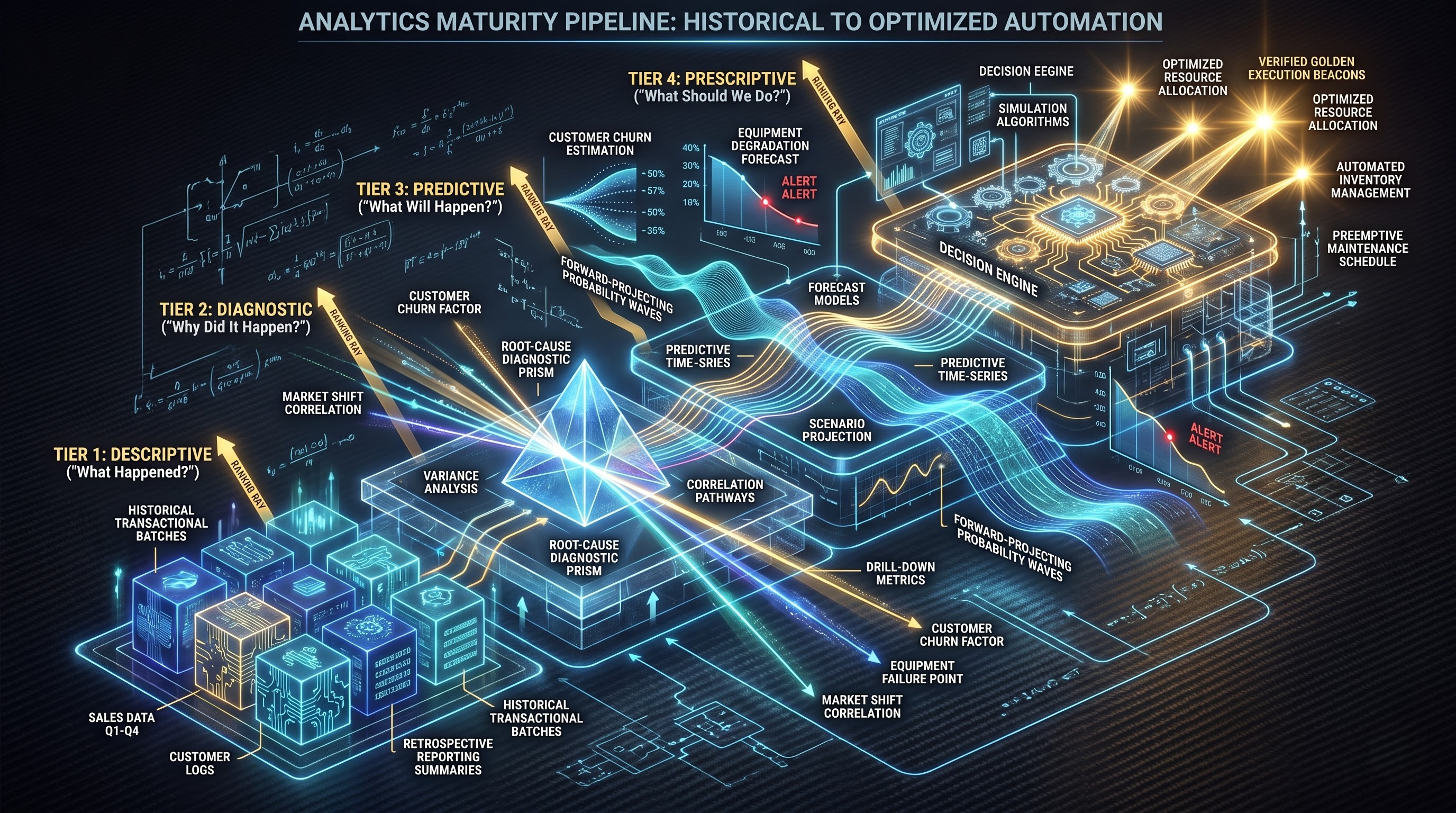
In order to know about the benefits of using business analytics in industry segments, it is first necessary to know about business analytics. As companies need to be capable of integrating both the managerial and technical aspects of business analytics, it becomes essential for those who are in the field of ba to undertake an ba online training. Maturity businesses have four stages of analytics maturity, which include:
Descriptive Analytics: Discovering the Ground Truth
The answer to the question "What happened?" is provided by descriptive analytics. The process of descriptive analysis is based on gathering large amounts of data which is unstructured and generated by such operational input as finances, customers, products and others. Descriptive analytics creates benchmarks, removes operational blindness and provides management of the company with facts to stand on.
Diagnostic Analytics: Revealing the Causes
The answer to the question "Why did it happen?" is provided by diagnostic analytics. Besides evaluation of the performance of the organization, the diagnostic process evaluates the correlation and causation of particular events. If there was a sudden drop in revenue in the regional division or increase in the number of defects in the manufacturing process, diagnostic will uncover the reasons behind the event.
Predictive Analytics: Anticipating Possible Results
The answer that predictive analytics provides is as follows: What is likely to occur? Based on historical data, cyclical tendencies, and probability engines, predictive analytics makes predictions for the future. It calculates the probability of the future client attrition, makes the forecast of future equipment degradation schedule, and evaluates future demands in various economic scenarios, moving from reacting to anticipating.
Prescriptive Analytics: Optimizing Actions for the Future
Prescriptive analytics resolves the ultimate problem of operations: What should we do? Through the synergy of predictive forecasting and optimization modeling, prescriptive analytics suggests future optimal actions to undertake. No matter what type of activity – from calculating the optimal level of inventory to adjusting dynamic transportation networks and managing capital allocation in portfolio – prescriptive modeling enables decision makers to work effectively and safely.
Retail and E-Commerce: Customer Centricity and Velocity of Supply
No other industries face such high competitive pressure and uncertainty among the clients as the retail and e-commerce businesses do. As retail operates smoothly across channels, from traditional to online stores, business analytics becomes the main engine of success and generating customer lifetime value.
Hyper-personalization and Dynamic Merchandising
The customer expects interaction with the brand personalized to suit his or her preferences and dislikes. With the help of the analytics tool, data from multiple touchpoints, such as cart abandonment ratio, digital click paths, dwell time, and past purchases are integrated into a single customer profile. Thus, the retailer personalizes product recommendations, creates dynamic storefronts and conducts dynamic promotions, which have a positive effect on conversion and loyalty.
Dynamic Pricing and Yield Management
Fixed pricing strategies are not suitable for volatile conditions. In order to maintain profit margins in peak season and unload excess stock in low seasons, retailers utilize business analytics to apply a dynamic pricing strategy that considers competitor discounts, stock level at any particular time, regional differences, and price elasticity of demand.
Omni-channel Inventory Coordination
The proper management of inventories can result in loss of profit due to stock outages or high costs of keeping excess stock. Business analytics allows the coordination of distribution channels by giving executives an overview of stock levels in distribution centers, local warehouses, and offline stores. Therefore, there is no risk of stock outages during promotional periods.
Customer Lifetime Value Benefits and Customer Retention Strategies
Typically, it is less expensive to retain current customers than to acquire new customers. The analytical algorithms evaluate such factors as fewer visits, lower bill per visit value, and customer service problems that hint at customer defection. One may prevent defection by implementing incentives and even concierge services.
Healthcare and Pharmaceuticals: Improved Treatment and Organizational Health
The use of business analytics not only allows companies to earn more money within healthcare and pharmaceutical industries but also extends people’s life expectancy and ensures improved treatment due to the transition from evidence-based medicine combining administrative, research, and public health functions.
Patient Clinical Events Prediction and Early Interventions
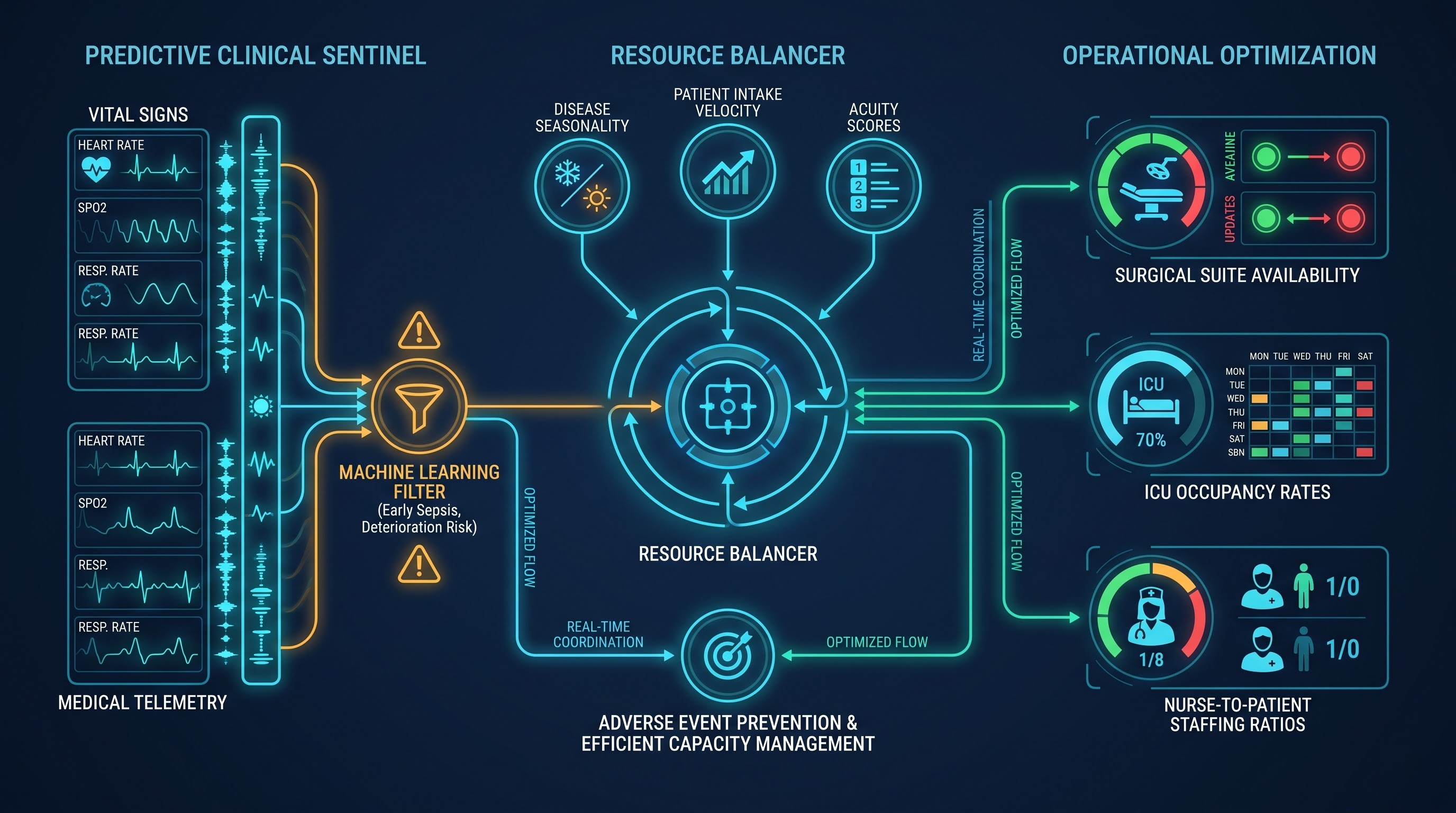
There is plenty of information gathered in medical records, continuous patient vital signs monitoring, and imaging in the sphere of healthcare. Analysis of the changes in patients’ vital signs helps predict their physiological changes even before clinical events occur. This allows doctors to act promptly and prevent dangerous for patients’ health clinical events such as sepsis, hemorrhage, heart failure, etc.
Capacity and Resources Utilization
Limited resource allocation is still the problem for hospitals and healthcare networks regarding staff, capacity of intensive care units, and surgical planning. Analytics-driven applications consider disease seasonality, patient arrival patterns and acuity level for planning surgeries and determining the most appropriate nurse staffing ratios. So waiting time for patients becomes minimal, burnout of doctors is prevented and capacity of hospitals is used.
Population Health Management
Health care professionals and institutions use analytical techniques to analyse demographic data, socioeconomic inequality, and prevalence of chronic diseases among different populations. The vulnerable sites are identified to take preventive measures such as screening programs, mobile clinics, and health education campaigns to prevent the diseases from overloading emergency services.
Development of New Drugs
The development of a drug is a lengthy and costly process involving numerous experiments. Pharmaceutical companies use analytics techniques to screen for potentially useful chemical compounds and to predict the molecular interaction between chemicals. Analytics methods are also used for patient selection for clinical trials.
Financial Services and Banking: Capital Optimisation and Risk Mitigation
The financial services, insurance and investment industry is very numbers-driven. Business analytics is critical to risk assessment, regulation and creating wealth for clients, as modern financial companies handle millions of transactions per minute.
Real time Fraud Detection
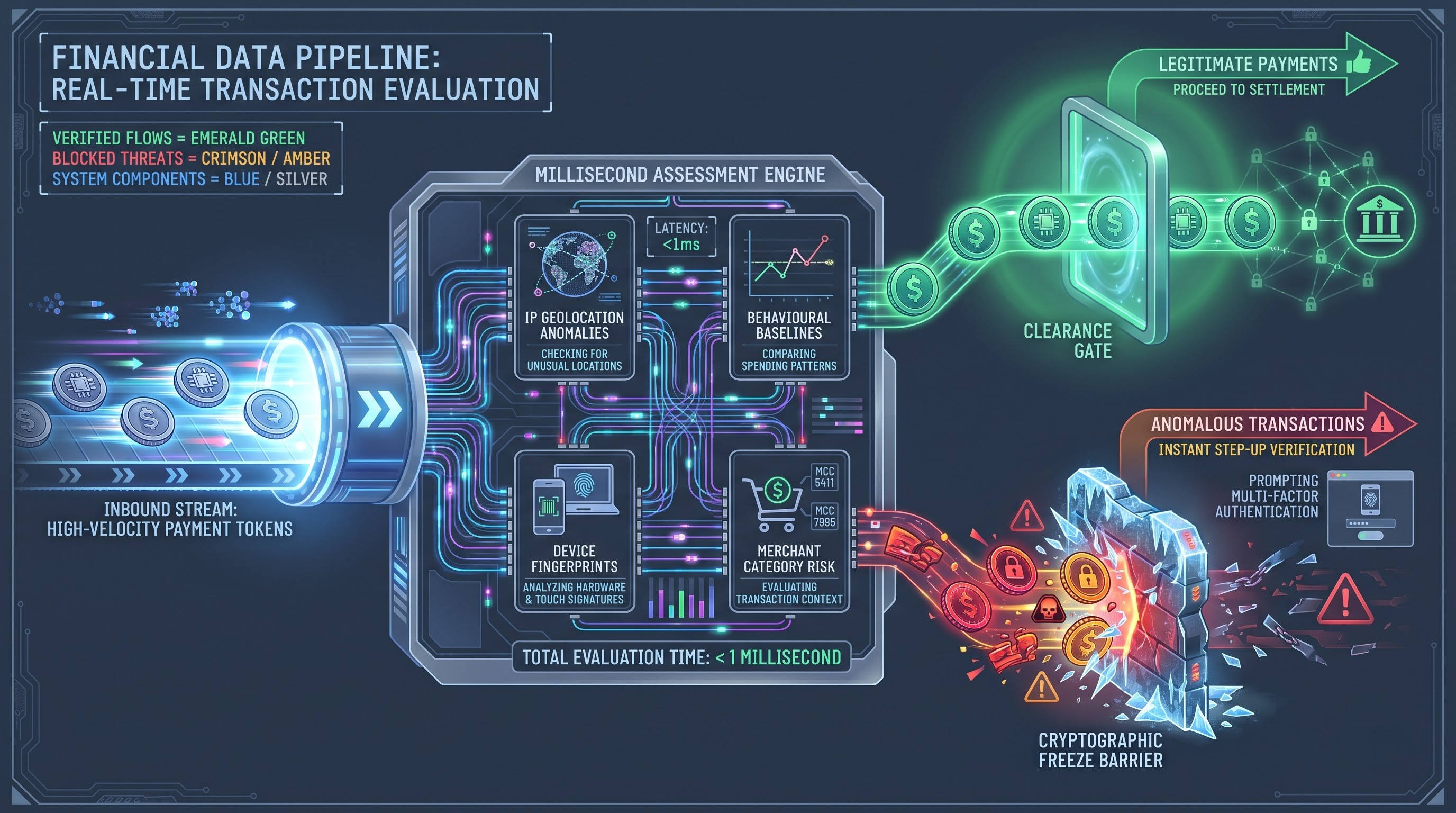
With the growth of online payments, new types of fraud are emerging. Business analytics programs compare payment amount, device fingerprint, location and merchant category to the baseline for each client in milliseconds. Suspicious activity will cause the transaction to freeze or two-step verification to occur so that clients’ funds are protected and financial institutions do not lose millions of dollars.
Small deviations in the manufacturing process at the high speed of production might lead to the creation of many defects in products. Industrial process analytics considers environmental conditions, calibration range of machines, and raw materials differences during manufacturing. Small defects are detected timely, and defective batches don’t continue the process further.
Supply Chain Traceability and Resilience
There are many challenges that threaten global supply chains, for example, abnormal weather events, shortages of materials, and geopolitical threats. Business analytics considers the entire supply chain process from its beginning till the end and assesses the reliability of suppliers, delivery timing, and port congestions. The optimization algorithms suggest alternative supply chain strategies and safety stock calculations when needed.
Resource efficiency in sustainable manufacturing
There is a change taking place in terms of sustainability within industry, from administrative to operational sustainability. Companies are using the amount of energy, water, and industrial fuels that go into the production process. Using analysis models, the inefficient operation in terms of heat processing, heating, and cooling systems are detected to make the plants save energy costs, be regulatory compliant, and reduce greenhouse gases.
Freight Logistics & Supply Chain Management: Solving complications
Logistics industry is the lifeline of international businesses organizing the transport of goods via sea, rail, air, and vans for the final delivery. It is an area where analytics makes disorganized logistics into organized deliveries.
Dynamic Route & Fleet Optimization
For the logistics industry, there are many aspects that are taken into consideration, such as traffic conditions, weather conditions, fuel price fluctuation, and time constraints. The routing algorithms consider all of them at real time and give optimized routes for delivery vans. Fleets can save fuel costs, reduce engine idle time, and on-time delivery.
Architecture of Warehouse Space and Fulfillment Speed
The fulfillment speed is influenced by the architecture of space and ergonomics inside the warehouse. In the field of business analytics, data on picking routes, seasonal connection to the purchase of SKUs, and product size are used to establish an optimal place for placing bins. Thus, due to the proximity of co-ordered products and optimization of picking routes, distribution centers can increase fulfillment speed.
Changes in Freight and Freight Brokering Capacity
Changes in capacity may affect margins of shippers and carriers. Using freight matching tools, it is possible to predict prices of the spot freight lane depending on the regional GDP, harvest season, port manifest, and imbalance in the region trade. In this case, shippers get lower prices in case of capacity problems, while carriers keep their trucks loaded with goods all the time.
Energy, Utilities, and Natural Resources: Grid Balancing and Sustainability
With the transition to renewables, microgrids, and electric vehicles, the activities of utility companies became much more complex. Business analytics is used by modern utility companies for balancing the generation and consumption of energy.
Balancing Renewable Energy and Load Forecasting
The energy from renewable resources such as solar and wind energies changes with respect to weather conditions at the time when energy is produced. The analysis of energy looks at the weather conditions, past customer usage, business activity, and behavioral trends of people to forecast energy demand curves and energy production. The grid operators get to know how much battery and energy to allocate to ensure there are no outages and no use of fossil fuels.
Maintaining a Healthy Infrastructure to Avoid Wildfires
There are long transmission lines in isolated areas with harsh climatic conditions. Weather patterns, history of equipment lifetime, vegetation lidar surveys, and load help in identifying faulty transformers and high risk line clearances. Maintenance helps in avoiding failures and also the possibility of fire in the infrastructure.
Water Resource Optimization to Save from Leakage and Loss
The cities face challenges of having old pipe line networks, shortage of water, and leaking pipes. Flow and acoustic sensors in water utility grid help in real-time monitoring of pressure and flow rate. The analytics helps in identifying the acoustic signature of the leak to prevent sinkholes and lose millions of gallons of water.
Human Capital Management: Improving Organizational Efficiency
However, even though it may be said that the effects of business analysis have been experienced in external interactions and technological systems at the majority of firms, the management of employees in the organization cannot be considered to be unaffected by the effects of data analysis as well. The rising need for managers skilled in dealing with data has made it compulsory for those who wish to make their career in this sphere to go for the famous online ba analyst course india provided by sites such as OnlineITGuru.
Recruitment of Competent Employees and Skills Mapping of Employees
Traditional recruitment procedures suffer from cognitive biases and inefficiencies in analyzing CVs. The people analytics analyses recruitment sources, past performance and necessary skills of employees in order to determine recruiting techniques that will help firms attract high performers and long-term employees. Furthermore, people analytics can map employee skills and pinpoint skill deficiencies in the firm in order to facilitate its development.
Modeling of Employee Turnover and Retention Techniques
The turnover of qualified employees is costly due to recruiting expenses and reduced productivity of the organization. The HR analytics model uses indirect signals of turnover like poor performance evaluation, static position tenure, lower salary than the average and low survey participation in order to help management use retention techniques for particular employees or transfer them to another division.
Productivity of Workforce and Organizational Network Analysis
Remote work or hybrid working environments resulted in certain changes in communication between people in modern corporations. Organizational network analysis includes the analysis of communication flow, scheduling of meetings, interaction between departments in order to build the map of the knowledge flow within the organization. Managers will be able to see where there are any bottlenecks in operations, where departments are overloaded and reorganize the company in such a way that the productivity stays at the same level without any burnouts.
Overcoming Typical Challenges of Implementation by Enterprises
Despite the fact that business analytics can bring quite a lot of benefits to the operations of enterprises, its effectiveness depends on the proper implementation. Enterprises face a number of organizational challenges while implementing business analytics:
Legacy Siloed Corporate Databases: All valuable insights are stored in departmental silos in different outdated corporate databases. The best companies build the architecture of data governance, data warehouse and pipeline in order to synchronize data and break departmental silos.
Data Integrity and Hygiene: Predictive and prescriptive models always encounter the classic problem – garbage in = garbage out. Companies should implement the appropriate system of data validation and anomaly detection.
Change Resistance and Cultural Change Management: The managers who are leading the change have difficulties with quantitative methods and opt to use their own qualitative approaches. It will be successful depending upon the inclusion of certain executive sponsorship, analytics training consistently and intuitive user interface to enable self-service for the users.
Data Privacy and Data Governance: There is need for change management due to the regulations like consumer privacy regulations in regions, the regulation of clinical records and financial disclosures, which involves a trade-off between how much deep is the analysis and how anonymous is the data at each stage.
Strategic Future from Information to Autonomy
Business analytics has surpassed its limitations in going beyond just descriptive operational reporting to become a vital part of the competitive advantage of the organization. Business analytics, irrespective of whether in e-commerce or healthcare industry or manufacturing sector, has linked corporate strategy with operations.
This gap will continue to grow wider as their process within organizations becomes more complicated, with firms who have the ability to implement analytics into their data processes and those that solely depend on intuition. Organizations that are able to take advantage of implementing analytics into their data process and increasing analytic literacy will be successful during uncertain times.
As the rise of analytics has been revolutionizing business environments worldwide, there has never been a time when there was any requirement for business analysts who can use big data to formulate plans for their bosses. Getting hands-on training through ba analyst training provided by OnlineITGuru in your own field will help you join them.